
Vegas_Millennial
-
Posts
5,037 -
Joined
-
Last visited
Recent Profile Visitors
13,359 profile views





Vegas_Millennial's Achievements






-
 + TheBigO reacted to a post in a topic:
411 Brian_Bare
+ TheBigO reacted to a post in a topic:
411 Brian_Bare
-
 danteig reacted to a post in a topic:
*Gym and locker rooms
danteig reacted to a post in a topic:
*Gym and locker rooms
-
danteig reacted to a post in a topic:
*Gym and locker rooms
-
+ Charlie reacted to a post in a topic:
*Gym and locker rooms
-
thomas reacted to a post in a topic:
Roth Conversion - any regrets?
-
+ Vegas_Millennial reacted to a post in a topic:
Skinny Dipping
-
 + Vegas_Millennial reacted to a post in a topic:
Skinny Dipping
+ Vegas_Millennial reacted to a post in a topic:
Skinny Dipping
-
 + Vegas_Millennial reacted to a post in a topic:
Skinny Dipping
+ Vegas_Millennial reacted to a post in a topic:
Skinny Dipping
-
+ Vegas_Millennial reacted to a post in a topic:
Skinny Dipping
-
+ Vegas_Millennial reacted to a post in a topic:
*Scammed today
-
 + Vegas_Millennial reacted to a post in a topic:
AlphaFantasy - Any experience?
+ Vegas_Millennial reacted to a post in a topic:
AlphaFantasy - Any experience?
-
+ Vegas_Millennial reacted to a post in a topic:
411 on AlphaGravity / NYC
-
josh282282 reacted to a post in a topic:
*Scammed today
-
Kevin Slater reacted to a post in a topic:
Roth Conversion - any regrets?
-
+ BOZO T CLOWN reacted to a post in a topic:
*Scammed today
-
 + Vegas_Millennial reacted to a post in a topic:
*Scammed today
+ Vegas_Millennial reacted to a post in a topic:
*Scammed today
-

Roth Conversion - any regrets?
+ Vegas_Millennial replied to sutherland's topic in Personal Finance & Investing
No regrets here! In 2020, I made an "Emergency Withdrawal" (allowed in 2020 for anyone who had proof of a COVID diagnosis that year) and drained my traditional IRA in order to cash flow my maximum contributions to my Roth IRA and Roth 401k for a few years. Because of the "Emergency Withdrawal" legislation, I avoided the 10% penalty and was able to spread the withdrawal income out over 3 years on reported income taxes. I'm so happy I did that! It's better for me to have the taxes out of the way and for all that money to grow tax-free for the next few decades. -
+ Vegas_Millennial reacted to a post in a topic:
Roth Conversion - any regrets?
-
+ Vegas_Millennial reacted to a post in a topic:
Truth said about our "all embracing community"
-
Is your "Question About Hiring" what to do if someone demands payment upfront? Answer: Walk away and ask him to leave.
-
TorontoDrew reacted to a post in a topic:
When you Top ass, do you stop thrusting when you cum?
-
Redwine56 reacted to a post in a topic:
When to tell a provider I’m a virgin?
-
I would imaginable prices would be similar in both cities, as they are only a 2-hour drive apart.
-
Love it! 😍

-
Scandalous!
-
"The lady doth protest too much, methinks". 😉 San Angelo Posted April 3, 2023 Yeap. We made out one time at my gym's restroom...
-
What happened to the straight muscle crew from Vegas?
+ Vegas_Millennial replied to studchaser's topic in The Deli
Some helpful insights here: -
Leave no digital record. If you're worried about your history, use smoke signals.
-
Maybe Boardwalk is going to stay open until sunrise? 🌅
-
The extended version, updated for the REAL 21st century:
-
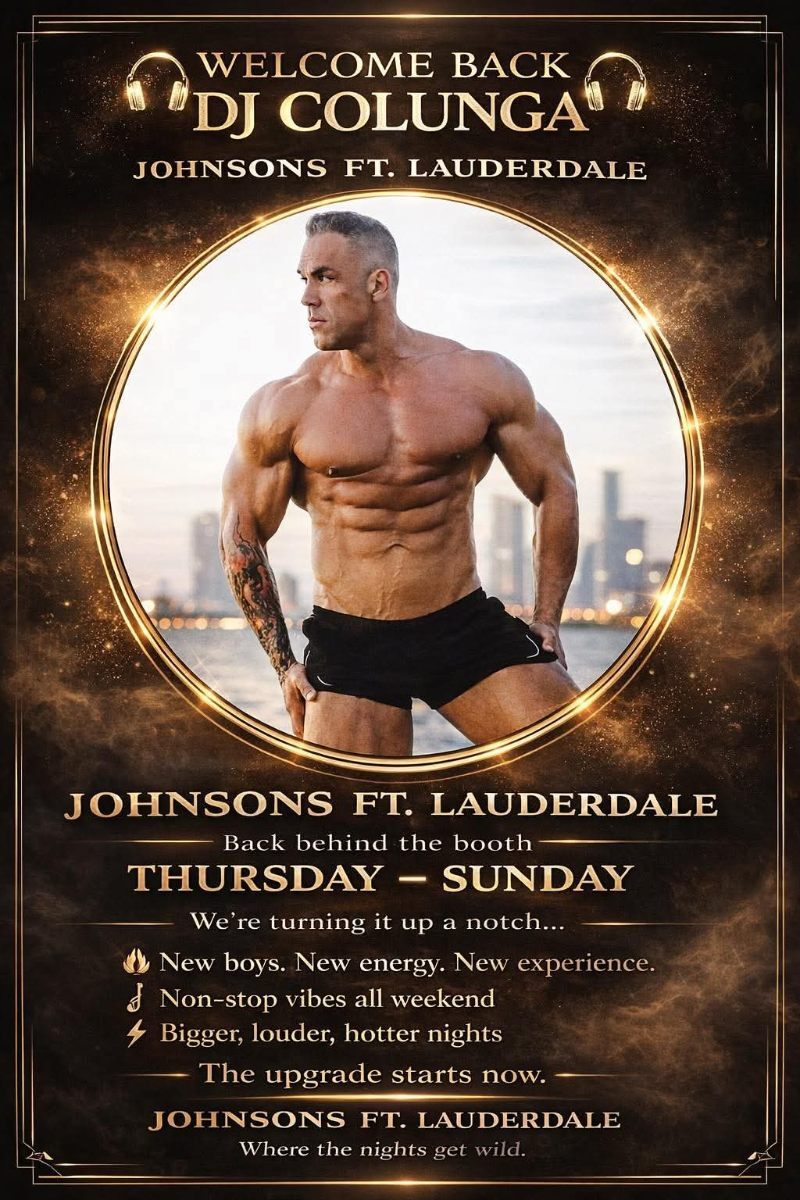
Johnsons Fort Lauderdale (Wilton Manors)
+ Vegas_Millennial replied to + Vegas_Millennial's topic in Male Strip Clubs
From Johnsons' Facebook page tonight:
-
Attractiveness is not a "protected class" defined by law. As long as the business is equally rejecting ugly people of all races, ages, national origin, and sex equally, then it is not illegal. For example: if you turn away an ugly white guy, then you must also turn away an as-equally-ugly asian guy.
-
Not awkward at all. We were in a meeting together once. At the end of the meeting, he texted me to join him for sex in the bathroom at work. 🥳
-
Like the title says, Nashville is having a Gay Predators night.
-
I read a statistic (I can't remember the source, I apologize) that for lump sum vs dollar-cost averaging, dollar-cost averaging statistically only works better than lump sum if it's spread out over a period of 6 months or less. For example: Option A: Invest $12,000 on January 1. Option B: Invest $3,000 on January 1, February 1, March 1, and April 1 ($12,000 total). Option C: Invest $1,000 on the 1st of each month for 12 months ($12,000 total). Statistically: Option B performs better by the end of the year than Option A. But Option A performs better than Option C. The advantage of spreading out a lump sum investment over a few months (Option B) ensures you aren't buying all of it at a peak. But, spreading out the investment for a long period (Option C) means you miss precious time in the market for most of the investment. So, dollar-cost averaging for less than 6 months is statistically the best thing to do when you have the means and are ready to buy.
.webp.7d4df227d9f97821c68d95208389e44b.webp)
.webp.2baf39ec91a8dca3616e162e4144e9df.webp)